Lawn Weed Treatment FAQs
How long does lawn weed treatment take to work?
Most weeds begin showing visible signs of control within 2 to 3 weeks of treatment. This may include curling, twisting, blackening or distorted growth. Some tougher or more established weeds can take longer and may require repeated seasonal treatments for best long-term control.
Will lawn weed treatment damage my grass?
No. The professional selective herbicides we use are specifically designed for use on lawns and target broadleaf weeds without harming healthy grass when professionally applied at the correct rates.
What weeds can you treat?
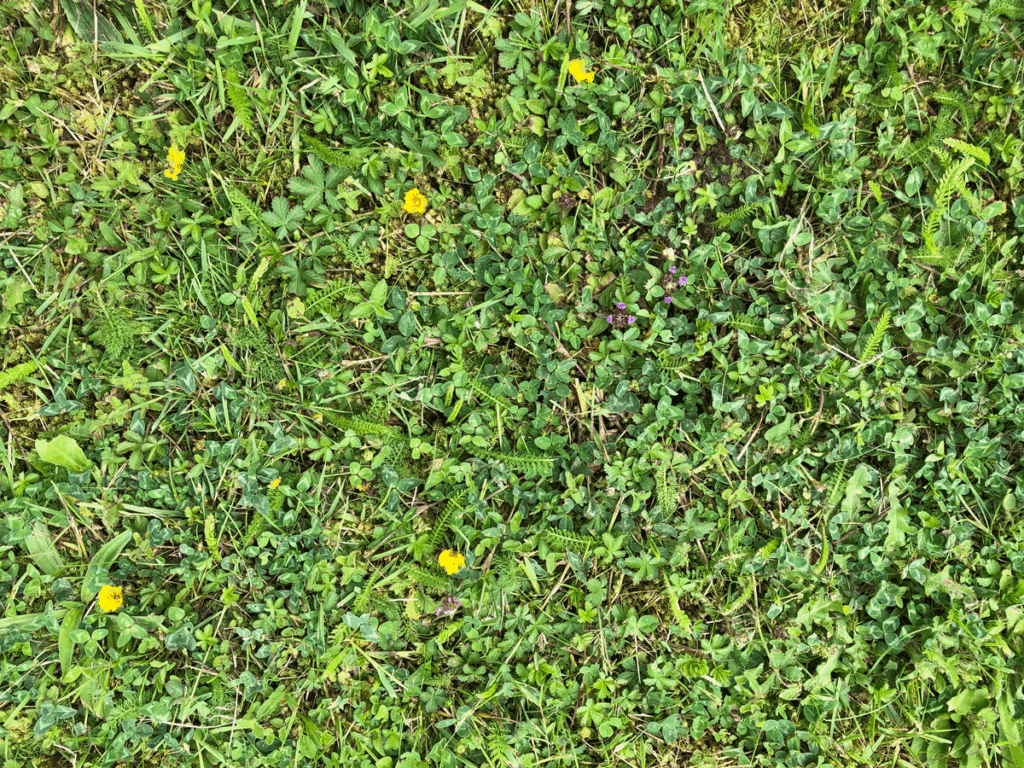
Our lawn weed treatments are effective against many common UK lawn weeds including:
- Dandelions
- Clover
- Daisy
- Plantain
- Buttercup
- Catsear
- Selfheal
- Speedwell
- Black Medic
- Yarrow
Mature weeds or weed product resistant weeds like yarrow or speedwell may require more than one treatment over time.
When is the best time to apply lawn weed treatment?
Lawn weed treatments are most effective when weeds are actively growing, typically between late spring and early autumn. Weather conditions are also important, as treatments work best in mild, calm and relatively dry conditions.
Can children and pets use the lawn after treatment?
Yes. Once the treated lawn area is fully dry, it can normally be used again safely by children and pets. As a precaution, we recommend staying off the lawn for around 2 hours after treatment or until visibly dry.
For grazing pets such as rabbits or guinea pigs, we recommend keeping them off treated lawn areas until treated weeds have fully disappeared.
Will one lawn weed treatment kill all weeds?
Not always. Many lawns show significant improvement after the first treatment, but heavily weed-infested lawns or certain tougher weed types may require repeated treatments over multiple visits or seasons for best results.
Why do weeds keep returning to my lawn?
Weeds are often a sign that the lawn is thin, stressed or struggling to compete. Compacted soil, dry conditions, moss, shade, low feeding levels and worn grass can all create opportunities for weeds to establish.
Regular lawn feeding, aeration and improving grass density can help reduce future weed problems naturally.
Do you spot treat weeds or spray the whole lawn?
This depends on the level of weed infestation. Lawns with widespread weed populations may initially require a full lawn treatment for effective control. Once weeds are reduced, future visits are often limited to targeted spot treatments where needed.
Is professional lawn weed treatment better than DIY weed killer?
In most cases, yes. Professional lawn weed treatments use stronger, more effective selective herbicides than many products available from DIY stores or garden centres. Treatments are also applied using calibrated professional equipment by trained lawn care technicians, helping improve effectiveness and coverage.
Are your lawn weed treatments environmentally responsible?
Yes. We use professional selective herbicides that are approved for use in the UK and applied carefully at the correct rates by trained and qualified technicians. Treatments are targeted specifically at problem weeds within the lawn, helping minimise unnecessary product use.
We only apply treatments in suitable weather conditions to reduce the risk of spray drift or runoff, and all applications are carried out in line with strict professional and environmental guidelines.
At Lawn Tiger, we also believe long-term lawn health plays an important role in reducing future weed pressure naturally. A thicker, healthier lawn can help suppress weeds over time, reducing the need for excessive repeat treatments.