Why Are Weeds Persistent in My Lawn?

Weeds persist when grass is weak and soil conditions favour weed growth. Compacted soil, poor drainage, thin grass coverage, and incorrect mowing create space for weeds to regrow. Strengthening lawn health through feeding, aeration, and overseeding is the most effective long-term solution.


What Causes Weeds to Keep Coming Back in Lawns?

Persistent weeds are usually a sign that underlying lawn conditions are allowing them to thrive. At Lawn Tiger, our trained technicians focus on identifying the causes of repeat weed growth and applying professional treatments that support long-term lawn health. Weeds are opportunistic plants that take advantage of weak or stressed lawns. When grass is thin or soil conditions are poor, weed seeds can easily establish and spread. Common reasons for persistent weeds include:
Tired lawn filled with thatch & weeds

What Causes Weeds to Keep Coming Back in Lawns?

Persistent weeds are usually a sign that underlying lawn conditions are allowing them to thrive. At Lawn Tiger, our trained technicians focus on identifying the causes of repeat weed growth and applying professional treatments that support long-term lawn health.

Weeds are opportunistic plants that take advantage of weak or stressed lawns. When grass is thin or soil conditions are poor, weed seeds can easily establish and spread.

Common reasons for persistent weeds include:

How Weed Seeds Spread?

Weed seeds are constantly introduced into lawns, even if you’ve never had a weed problem before. They can spread through:
Because seeds are always present in the environment, preventing weeds is an ongoing process rather than a one-off treatment.
Weed seeds are constantly introduced into lawns, even if you’ve never had a weed problem before. They can spread through:
Because seeds are always present in the environment, preventing weeds is an ongoing process rather than a one-off treatment.

Why Some Weeds Are Harder to Control?

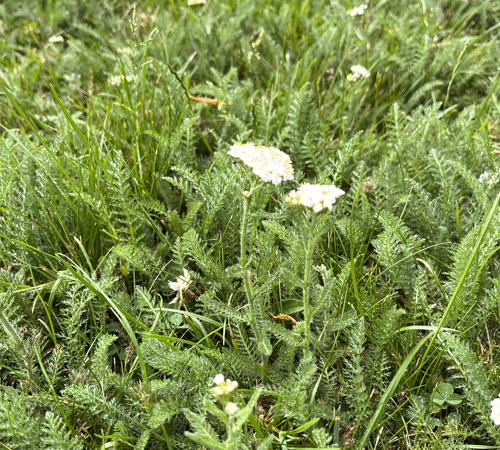
Not all weeds respond to treatment in the same way. Some species are naturally more resilient and can regrow from deep root systems. Weeds that often require repeated treatments include:
Deep rooted yarrow weed in a lawn
Deep-rooted perennial
weeds

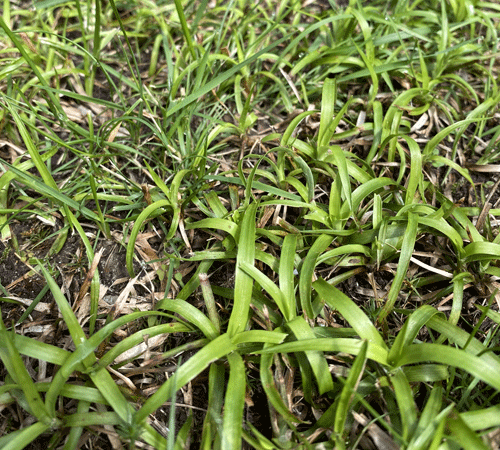
Waxy-leaved weeds that resist absorption

Spreading weeds that grow from underground runners

These tougher species may take multiple seasonal treatments to reduce and control effectively.

Environmental Conditions Matter

Weed control depends on active plant growth and suitable weather conditions. Treatment effectiveness can be reduced by:
Our technicians carefully plan applications when conditions are most favourable, but natural weather patterns always influence results.
Healthy lawn maintained by Lawn Tiger in Reigate Surrey

Lawn Health Is the Best Defence

The most effective way to reduce recurring weeds in your lawn is to improve overall lawn health and grass density. Thick, healthy grass naturally crowds out weeds, leaving little space for them to establish and spread.

Professional lawn care programmes strengthen turf by providing balanced lawn fertilisation, aerating compacted soil to encourage deeper root growth, overseeding thin or patchy areas to improve coverage, and maintaining proper mowing practices.

Over time, these treatments create a stronger, denser lawn that is naturally more resistant to weed invasion and future weed growth.

How Can I Stop Weeds from Returning to My Lawn?

Consistent lawn maintenance greatly reduces the chance of weeds returning. We recommend:

At Lawn Tiger, we understand how frustrating persistent weeds can be. Our experienced technicians use professional knowledge, certified products, and carefully timed treatments to reduce weed growth and improve long-term lawn health.

With consistent care and the right conditions, your lawn can become thicker, greener, and naturally more resistant to future weed problems.

Lawn Health Is the Best Defence

bright green lawn improver

The most effective way to reduce recurring weeds in your lawn is to improve overall lawn health and grass density. Thick, healthy grass naturally crowds out weeds, leaving little space for them to establish and spread.

Professional lawn care programmes strengthen turf by providing balanced lawn fertilisation, aerating compacted soil to encourage deeper root growth, overseeding thin or patchy areas to improve coverage, and maintaining proper mowing practices.

Over time, these treatments create a stronger, denser lawn that is naturally more resistant to weed invasion and future weed growth.

How Can I Stop Weeds from Returning to My Lawn?

Consistent lawn maintenance greatly reduces the chance of weeds returning. We recommend:

At Lawn Tiger, we understand how frustrating persistent weeds can be. Our experienced technicians use professional knowledge, certified products, and carefully timed treatments to reduce weed growth and improve long-term lawn health.

With consistent care and the right conditions, your lawn can become thicker, greener, and naturally more resistant to future weed problems.

dense green lawn

Frequently Asked Questions

Weeds return when grass is weak, soil is compacted, or drainage is poor. Thin turf and open patches give weeds space to grow. Strengthening your lawn through feeding, aeration, and overseeding reduces weed regrowth over time.

Weed treatments work gradually. Visible results usually appear within three to four weeks as weeds twist, darken, and die back.

Yes. Cutting grass too short weakens the lawn and allows weeds to establish more easily. Regular mowing at the correct height encourages thicker grass.

Yes. Deep-rooted and spreading weeds often require repeated seasonal treatments to fully control and reduce regrowth.

Signs include thin or patchy grass, moss growth, water pooling, and persistent weeds despite treatments. Lawns in high-traffic areas or clay-rich soils are more susceptible to recurring weeds.

Yes. Targeted professional treatments combined with improved soil health, aeration, overseeding, and correct mowing practices prevent weeds from re-establishing in the long term.

Notify Me

Let us know how we're doing

Please complete the form below to submit your feedback.