Why Is My Soil Compacted and Do I Really Need to Aerate My Lawn?

Yes. If your soil is compacted, lawn aeration is essential. Healthy lawns rely on healthy soil. When soil becomes compacted, grass roots struggle to access the air, water, and nutrients they need to grow properly. This can lead to thin turf, poor drainage, increased moss, and a lawn that looks tired no matter how much you water or feed it.
What Is Soil Compaction?

Soil compaction occurs when the ground becomes pressed tightly together, removing the small air spaces between soil particles. These spaces are essential because they allow oxygen, water, and nutrients to reach the grassroots.

Without them, the soil becomes dense and hard, making it difficult for grass to establish strong, healthy roots.

Soil compaction is one of the most common underlying causes of lawn problems. At Lawn Tiger, our trained technicians use professional aeration treatments to relieve compaction and restore the growing conditions your lawn needs to thrive.

Why Soil Becomes Compacted

Several everyday factors can cause lawn soil to become compressed over time:

Even well-maintained lawns can gradually suffer from compaction.

Why Soil Becomes Compacted

Several everyday factors can cause lawn soil to become compressed over time:

Even well-maintained lawns can gradually suffer from compaction.

How Do I Know If My Lawn Soil Is Compacted?

Compacted soil can cause several visible lawn problems that signal poor growing conditions beneath the surface.

Common signs of soil compaction include water pooling after rainfall, thin or weak grass that struggles to respond to feeding, hard ground that feels firm underfoot, increased moss growth, and patchy areas that fail to recover.

When water cannot drain properly and grass roots cannot expand through dense soil, healthy grass growth is restricted, leaving lawns looking tired, uneven, and more vulnerable to further damage.

Compacted soil can cause several visible lawn problems that signal poor growing conditions beneath the surface.

Common signs of soil compaction include water pooling after rainfall, thin or weak grass that struggles to respond to feeding, hard ground that feels firm underfoot, increased moss growth, and patchy areas that fail to recover.

When water cannot drain properly and grass roots cannot expand through dense soil, healthy grass growth is restricted, leaving lawns looking tired, uneven, and more vulnerable to further damage.

How Does Lawn Aeration Improve Soil and Grass Health?

Lawn aeration is the process of creating small holes in the soil to relieve compaction and restore airflow beneath the surface.

Aeration creates the ideal environment for thicker, healthier grass growth.

This allows:

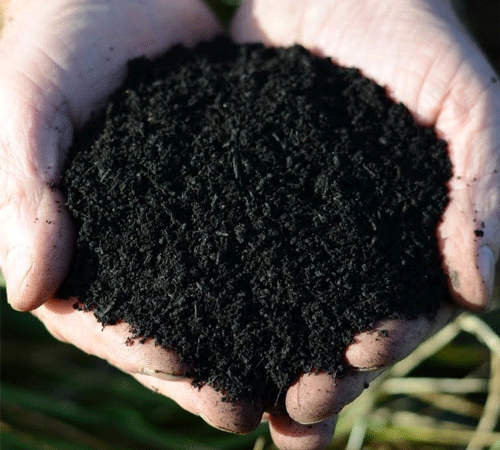
organic soil improver held in hands
Oxygen to reach the root zone
Water to soak into the soil more effectively
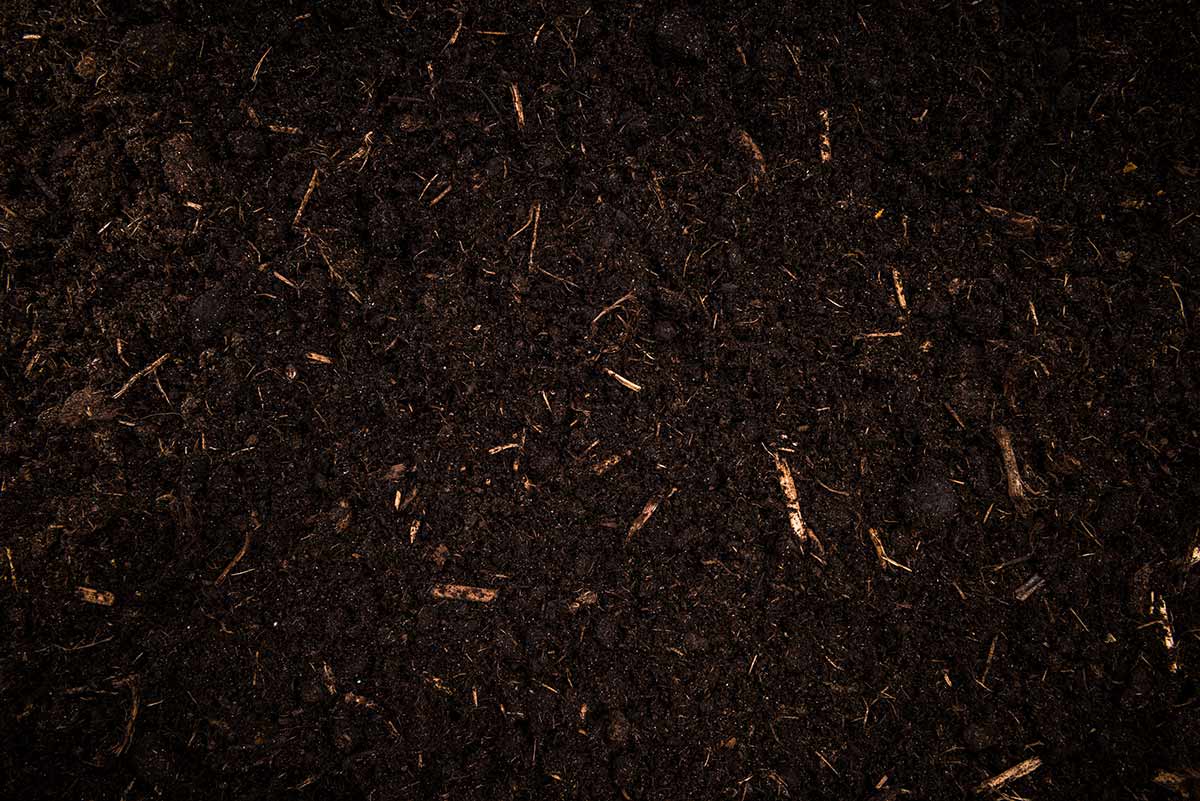
before lawn aeration results
Nutrients to be absorbed more efficiently
Grass roots to grow deeper and stronger

Do You Really Need to Aerate Your Lawn?

If your lawn soil is compacted, aeration is one of the most effective ways to restore healthy growing conditions.

Without improving soil structure, treatments such as lawn feeding and overseeding cannot work to their full potential. Lawn aeration is especially beneficial for heavily used lawns, clay-rich soils, areas prone to waterlogging, patchy or thinning grass, and lawns affected by moss growth.

By relieving compaction and improving airflow, water movement, and nutrient absorption, aeration helps other lawn treatments perform more effectively and deliver longer-lasting results.

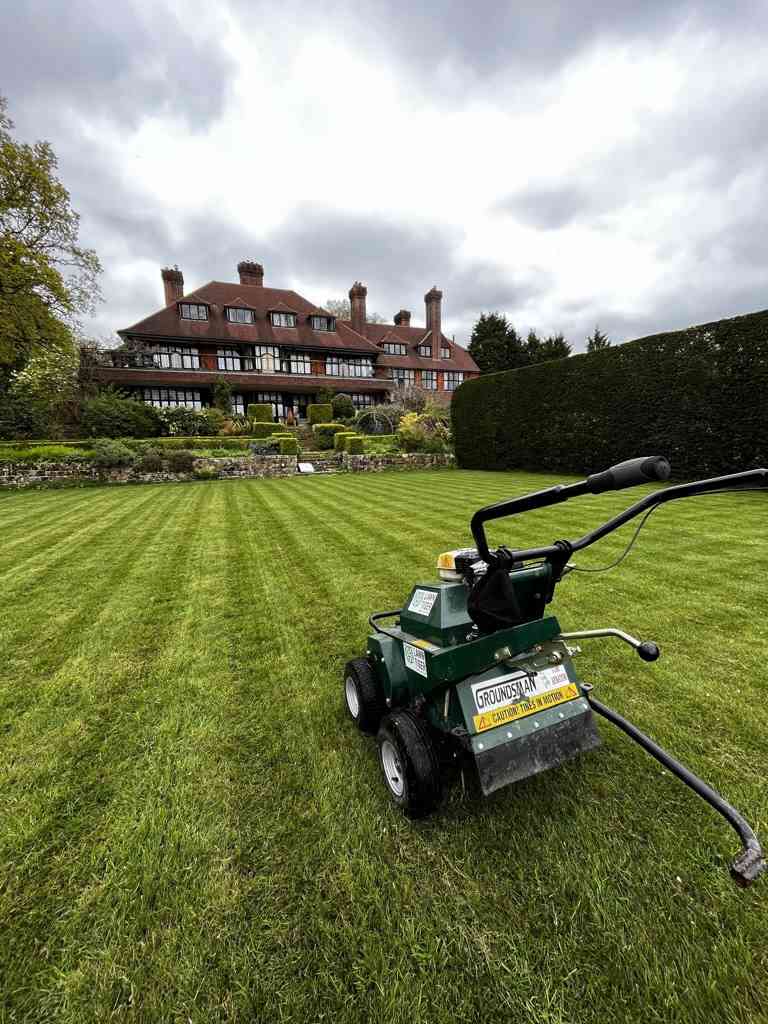
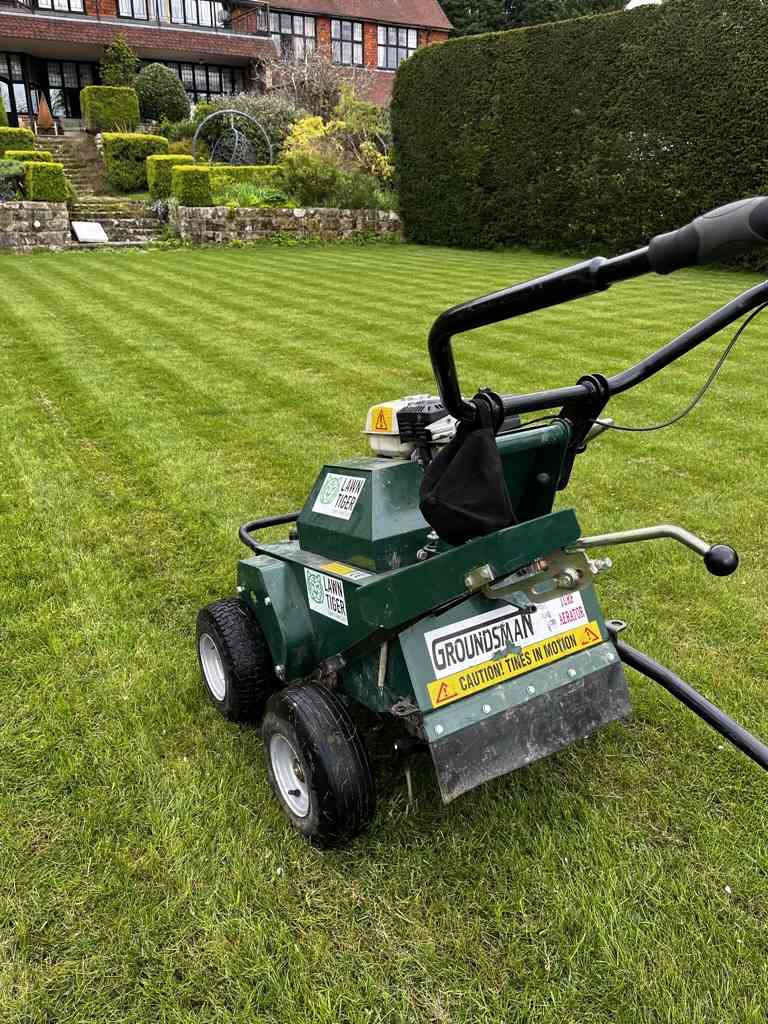
lawn aeration machine relieving compacted soil

What Happens During Professional Lawn Aeration?

Professional lawn aeration follows a structured process designed to relieve soil compaction and create the ideal conditions for healthier grass growth:

  1. Lawn inspection and soil assessment

  2. Aeration using specialist equipment to relieve compaction.

  3. Improved airflow and drainage

  4. Roots grow deeper and stronger

  5. Lawn responds better to feeding and overseeding

What is the Best Time to Aerate a Lawn?

Aeration works best when grass is actively growing and can recover quickly.

The most suitable times in the UK are typically:

  • Spring, when growth resumes and soil begins to warm

  • Autumn, when conditions are moist and ideal for recovery

Aerating during extreme heat, drought, or frozen conditions can stress the lawn and reduce effectiveness.

Professional lawn aeration follows a structured process designed to relieve soil compaction and create the ideal conditions for healthier grass growth:

  1. Lawn inspection and soil assessment

  2. Aeration using specialist equipment to relieve compaction.

  3. Improved airflow and drainage

  4. Roots grow deeper and stronger

  5. Lawn responds better to feeding and overseeding

What is the Best Time to Aerate a Lawn?

Aeration works best when grass is actively growing and can recover quickly.The most suitable times in the UK are typically:

  • Spring, when growth resumes and soil begins to warm

  • Autumn, when conditions are moist and ideal for recovery

Aerating during extreme heat, drought, or frozen conditions can stress the lawn and reduce effectiveness.

What to Expect After Aeration?

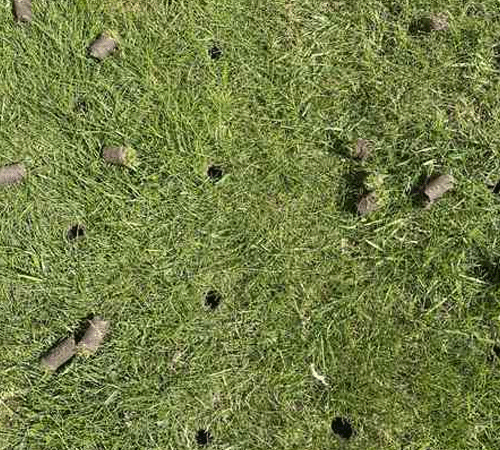
Aeration is a safe and natural process that supports long-term lawn health. You may notice small soil plugs on the surface following treatment, which break down naturally.

In the weeks after aeration, lawns typically show:

Results develop gradually as the soil structure improves.

Long-Term Benefits of Lawn Aeration

Regular aeration helps prevent recurring lawn problems by improving soil structure year after year.

At Lawn Tiger, we understand that a healthy lawn starts below the surface. Our professional aeration treatments are designed to relieve soil compaction safely and effectively, giving your grass the conditions it needs to grow thick and strong.

With proper care and seasonal treatments, your lawn can remain greener, healthier, and more resilient throughout the year.

What to Expect After Aeration

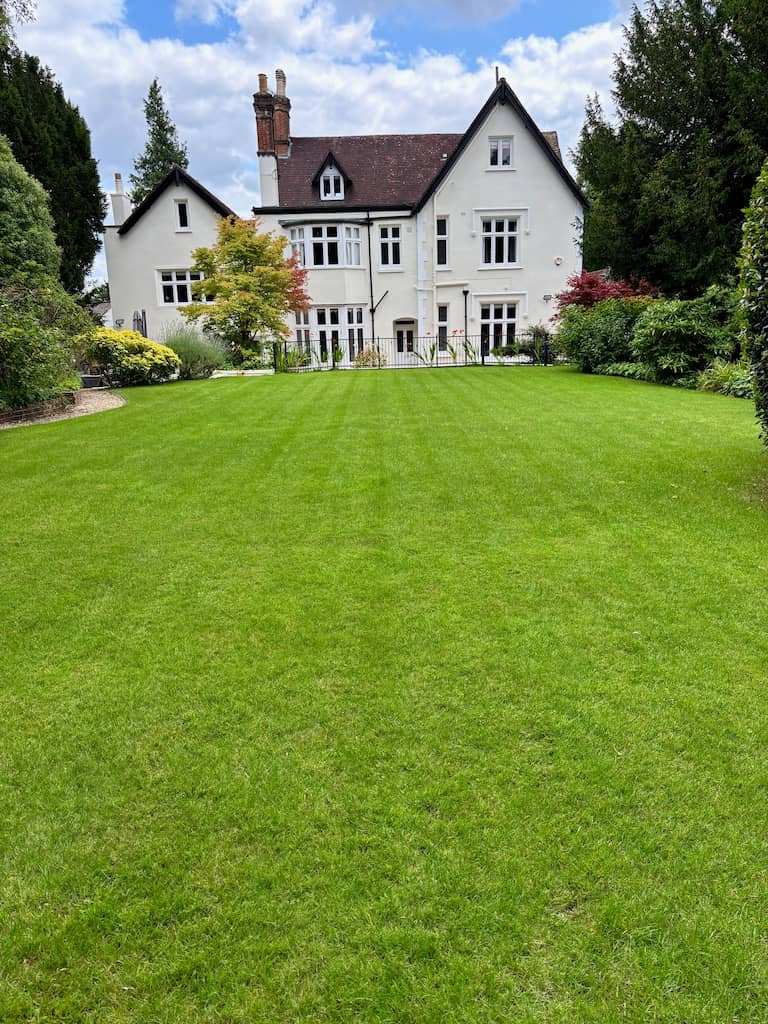
A lush green lawn after it has been renovated

Aeration is a safe and natural process that supports long-term lawn health. You may notice small soil plugs on the surface following treatment, which break down naturally.

In the weeks after aeration, lawns typically show:

Results develop gradually as the soil structure improves.

Long-Term Benefits of Lawn Aeration

lawn aeration machine on a green lawn

Regular aeration helps prevent recurring lawn problems by improving soil structure year after year.

At Lawn Tiger, we understand that a healthy lawn starts below the surface. Our professional aeration treatments are designed to relieve soil compaction safely and effectively, giving your grass the conditions it needs to grow thick and strong.

With proper care and seasonal treatments, your lawn can remain greener, healthier, and more resilient throughout the year.

Frequently Asked Questions

Soil compacts over time due to heavy foot traffic, pets, garden equipment, clay-rich soils, and natural settling. Compacted soil restricts root growth and water absorption.

Yes. Aeration relieves soil compaction, improves drainage, allows nutrients to reach roots, and strengthens grass. Without it, other treatments are less effective.

The ideal time for lawn aeration in the UK is during spring and autumn when the soil is moist and grass is actively growing. These conditions allow the lawn to recover quickly and make the treatment more effective.

Yes. Moss thrives in damp, poorly drained, and compacted soil. Aeration improves drainage and soil airflow, creating conditions that favour healthy grass growth instead of moss. Over time, a stronger lawn naturally reduces moss invasion.

Feeding provides nutrients, but if soil is compacted those nutrients cannot properly reach the roots. Aeration improves soil structure first, allowing fertilisers, water, and oxygen to penetrate deeper. This makes feeding treatments significantly more effective.

Aeration improves soil structure, encourages deeper roots, reduces moss and thatch, and helps grass grow thicker, stronger, and more resilient over time.

Notify Me

Let us know how we're doing

Please complete the form below to submit your feedback.