How Do I Fix a Patchy Lawn?

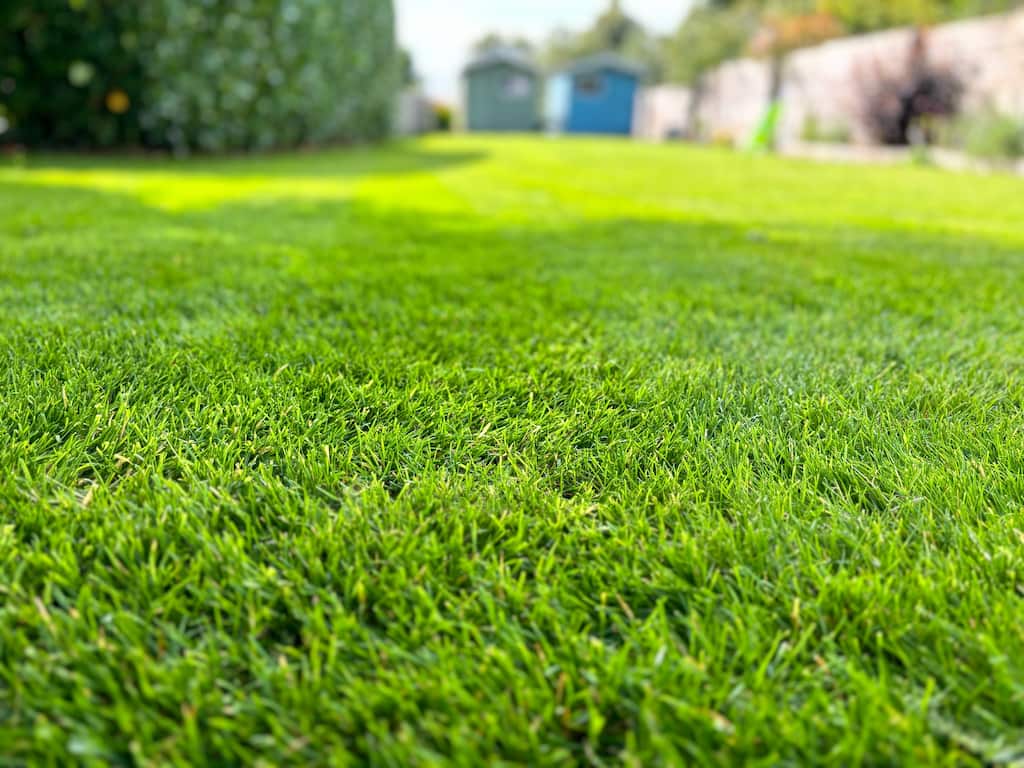
Patchy lawns usually result from weak grass, soil compaction, poor drainage, or insufficient sunlight. Improving soil structure through aeration, overseeding thin areas, applying balanced fertiliser, and maintaining correct mowing practices encourages dense, healthy grass growth and reduces bare patches over time.
What Causes Patchy Lawns?

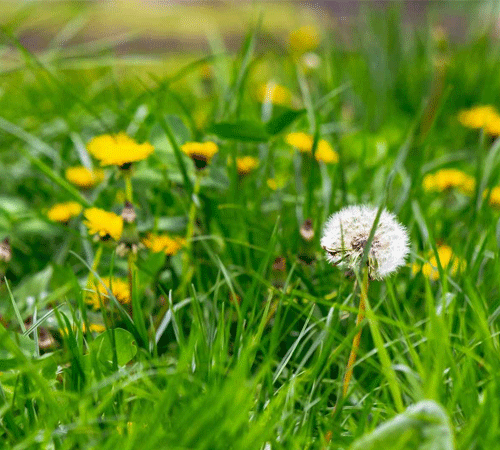
A patchy lawn is usually the result of underlying soil or turf health issues that prevent grass from growing evenly. Common causes include compacted soil, poor drainage, thin or weak grass, high foot traffic, insufficient sunlight, pest or disease damage, and competition from weeds or moss. Addressing these issues with aeration, overseeding, proper feeding, and regular care helps lawns recover and grow thick, healthy, and uniform.

Grass can thin out or disappear for several reasons.

Some of the most common causes include:
Identifying the cause is the first step in restoring healthy grass growth.
Some of the most common causes include:
Identifying the cause is the first step in restoring healthy grass growth.

How Can I Repair a Patchy Lawn?

Improving a patchy lawn is usually a gradual process rather than an instant fix. Our lawn care programmes focus on strengthening the soil and encouraging new grass to grow naturally.

This may include:

Targeted lawn feeding to encourage thicker growth
Targeted lawn
feeding to encourage thicker growth
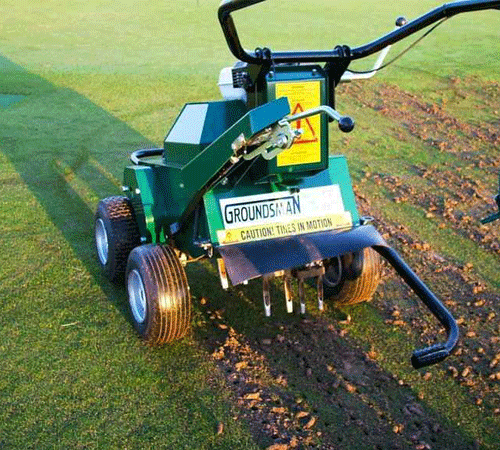
Aeration to relieve soil compaction and improve drainage
Overseeding to introduce new healthy grass plants
Overseeding to
introduce new healthy grass plants
Moss and weed control where needed
Moss and weed
control where
needed
Over time, these treatments help the lawn fill in thin areas and become more dense and resilient.

The Best Time to Repair Patchy Grass

Grass repair works best when the lawn is actively growing and soil temperatures are warm enough for new seed to establish.

In the UK, the most effective periods are usually:

These seasons allow new grass seedlings to establish before extreme summer heat or winter cold arrives.
Healthy lawn maintained by Lawn Tiger in Reigate Surrey

Conditions That Affect Lawn Recovery

Like all lawn treatments, repairing patchy areas depends heavily on environmental conditions.

Maintaining consistent soil moisture and following good mowing practices greatly improves results.

Overseeding Patchy Areas

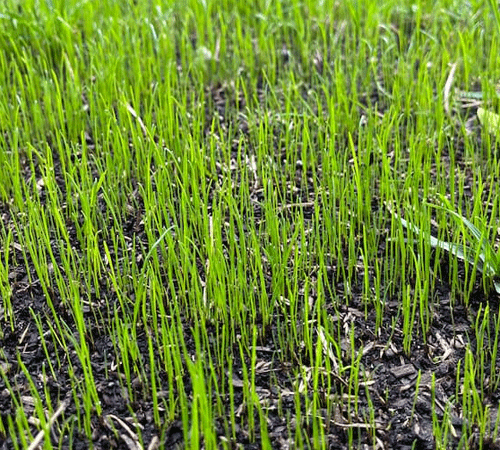
Overseeding

One of the most effective ways to repair thin or bare areas is overseeding.

This involves spreading high-quality grass seed across the lawn so new plants grow among the existing grass. Over time, these new plants help fill gaps and create a thicker, more even surface.

For best results, the seed must have good soil contact and consistent moisture during germination.

Conditions That Affect Lawn Recovery

Like all lawn treatments, repairing patchy areas depends heavily on environmental conditions.

Maintaining consistent soil moisture and following good mowing practices greatly improves results.

Overseeding Patchy Areas

Overseeding

One of the most effective ways to repair thin or bare areas is overseeding.

This involves spreading high-quality grass seed across the lawn so new plants grow among the existing grass. Over time, these new plants help fill gaps and create a thicker, more even surface.

For best results, the seed must have good soil contact and consistent moisture during germination.

Mowing and Lawn Care During Recovery

Good mowing habits play a big role in improving a patchy lawn.

We recommend:

Allowing the grass to maintain a slightly longer height helps shade the soil and encourages stronger root development.

Good mowing habits play a big role in improving a patchy lawn. We recommend:
Allowing the grass to maintain a slightly longer height helps shade the soil and encourages stronger root development.

Why Lawn Improvements Take Time

It’s important to remember that grass grows gradually. Even with professional care, a lawn may take several weeks or months to fully recover.

As the soil improves and new grass establishes, you’ll notice:

How Do I Prevent Patchy Areas in My Lawn?

To help prevent a patchy lawn returning in the future, and maintain a healthy lawn which will naturally resist thinning and damage:

At Lawn Tiger, every lawn treatment is designed to improve the long-term health of your grass. Our experienced technicians use professional knowledge and proven methods to help lawns recover from patchy growth and thrive throughout the year.

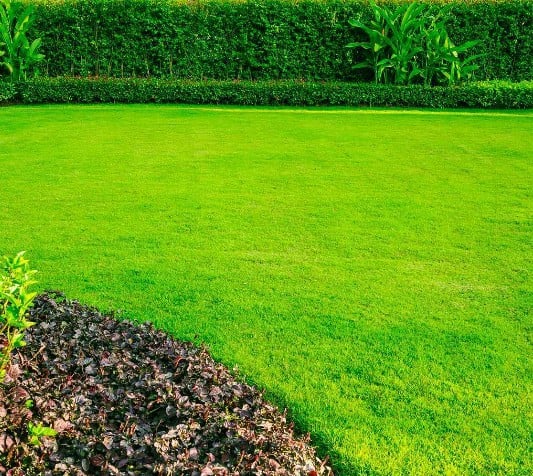
With the right care and conditions, even heavily worn lawns can become thick, green, and healthy again.

Why Lawn Improvements Take Time

Lovely_green_shady_lawn

It’s important to remember that grass grows gradually. Even with professional care, a lawn may take several weeks or months to fully recover.

As the soil improves and new grass establishes, you’ll notice:

Preventing Patchy Lawns in the Future

To help prevent a patchy lawn returning in the future, and maintain a healthy lawn which will naturally resist thinning and damage:

dense green lawn

At Lawn Tiger, every lawn treatment is designed to improve the long-term health of your grass. Our experienced technicians use professional knowledge and proven methods to help lawns recover from patchy growth and thrive throughout the year.

With the right care and conditions, even heavily worn lawns can become thick, green, and healthy again.

Frequently Asked Questions

Lawns often become patchy due to heavy foot traffic, compacted soil, poor drainage, moss or weed competition, drought stress, or lack of nutrients. Identifying the cause helps determine the best treatment.

The ideal times are during spring and early autumn when soil temperatures are warm and grass is actively growing. These conditions help new grass seed establish quickly.

Small thin areas may recover naturally with proper feeding and mowing. Larger bare patches usually need overseeding and soil improvement to encourage new, healthy growth.

Lawn recovery takes time and depends on weather, soil condition, and treatment type. You may see improvement within a few weeks, but full thickening can take several months.

Yes. With proper aeration, overseeding, and fertilisation, even severely thin or patchy lawns can recover, develop stronger roots, and resist weeds and moss over time.

Absolutely. Compacted soil restricts root growth, reduces nutrient absorption, and prevents water from draining properly. Aeration relieves compaction and creates optimal conditions for grass to grow thick and healthy.

Yes. Regular lawn feeding, aeration, mowing at correct height, and maintaining good soil health prevent thin areas from developing and reduce weed and moss growth.

Notify Me

Let us know how we're doing

Please complete the form below to submit your feedback.